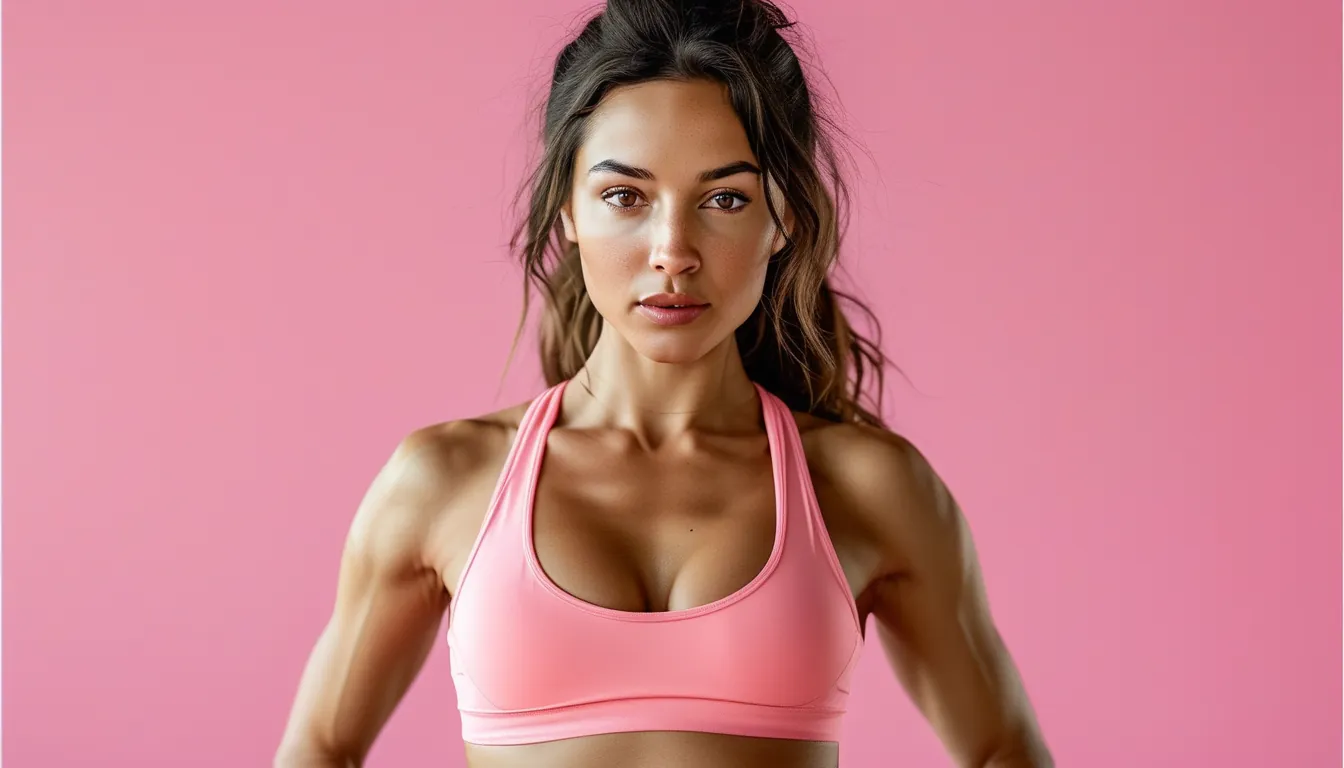
The 60-30-10 Rule: The Interior Design Color Trick That Also Works for Activewear
Quick Answer: Use 60% of your outfit in one dominant color, 30% in a secondary color, and 10% in a bold accent — applied to leggings, top, and shoes, this proportion rule makes even bold color combinations look intentional instead of random.
Interior designers have used the 60-30-10 rule for decades to keep a room from looking like a chaotic paint sample wall, and the exact same math works on an outfit — including a workout one, where the same visual logic that makes a living room feel balanced applies just as directly to a head-to-toe look.
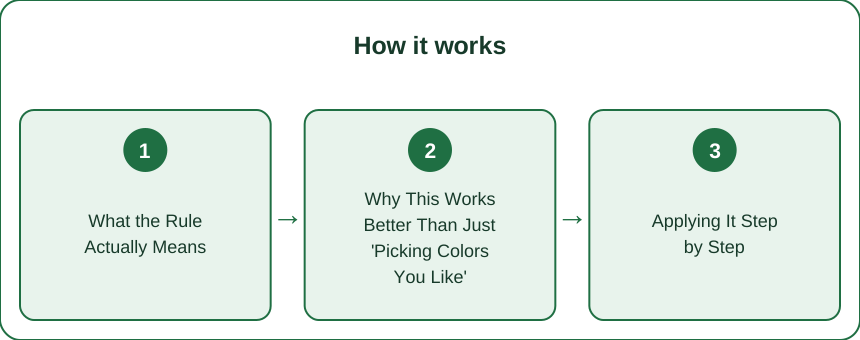
What the Rule Actually Means
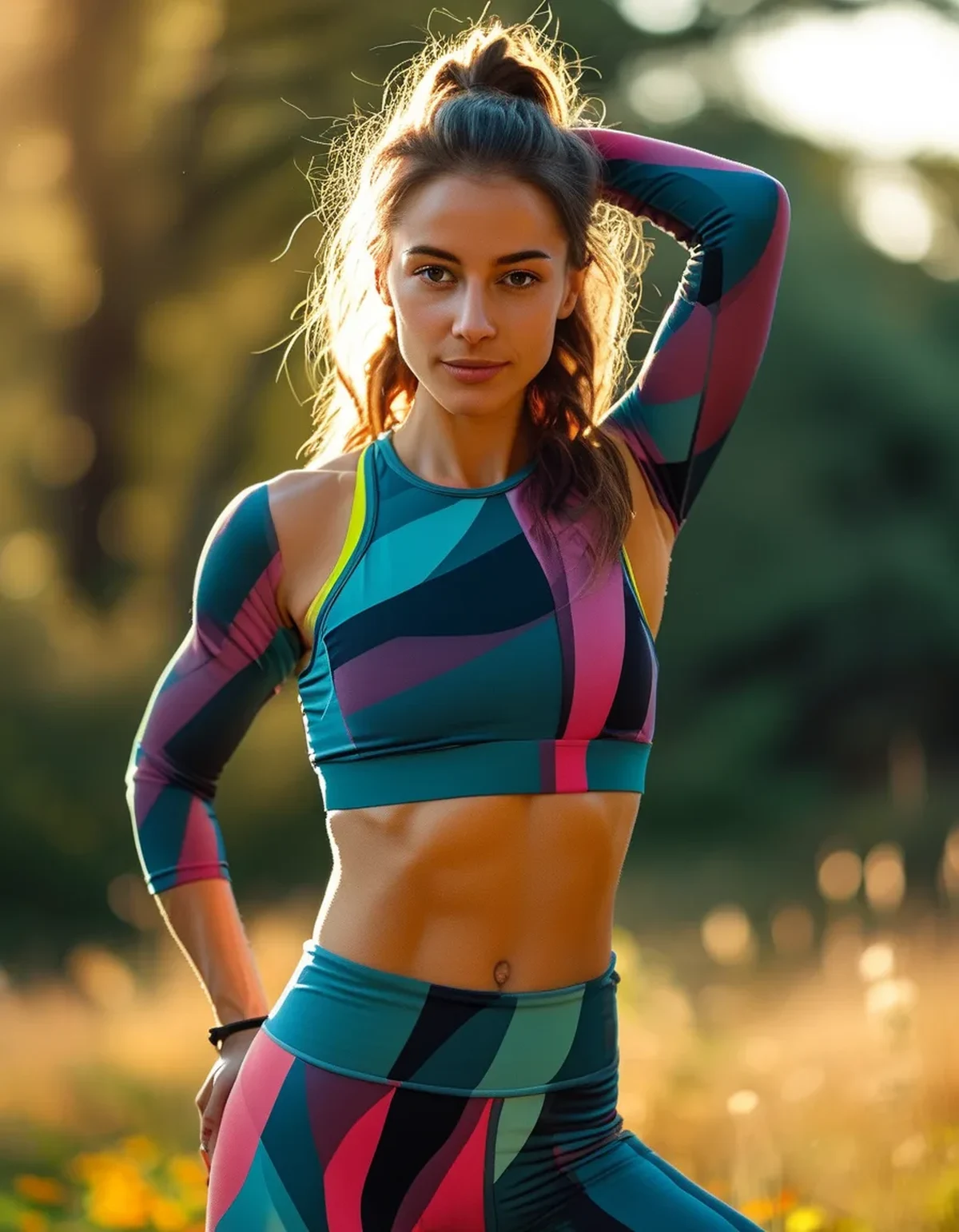
60% of your outfit — usually your largest pieces, like leggings — carries your dominant color. 30% — typically your top — carries a complementary secondary color. The remaining 10% — shoes, a headband, a water bottle color — carries a bold accent that would feel overwhelming at a bigger proportion but reads as a fun pop in a small dose. This isn’t an arbitrary aesthetic rule either — it mirrors how the eye naturally processes visual weight, giving it one clear dominant anchor rather than competing focal points.
Why This Works Better Than Just ‘Picking Colors You Like’
Most color combinations that feel ‘off’ in the mirror aren’t actually the wrong colors — they’re the right colors in the wrong proportions. Two bold colors each taking up 50% of the outfit compete for attention, with the eye unable to settle on either one as the ‘main’ color; the same two colors at 60/10 (with a neutral filling the remaining 30%) suddenly look styled rather than clashing, because there’s now a clear hierarchy the eye can read at a glance.
Applying It Step by Step
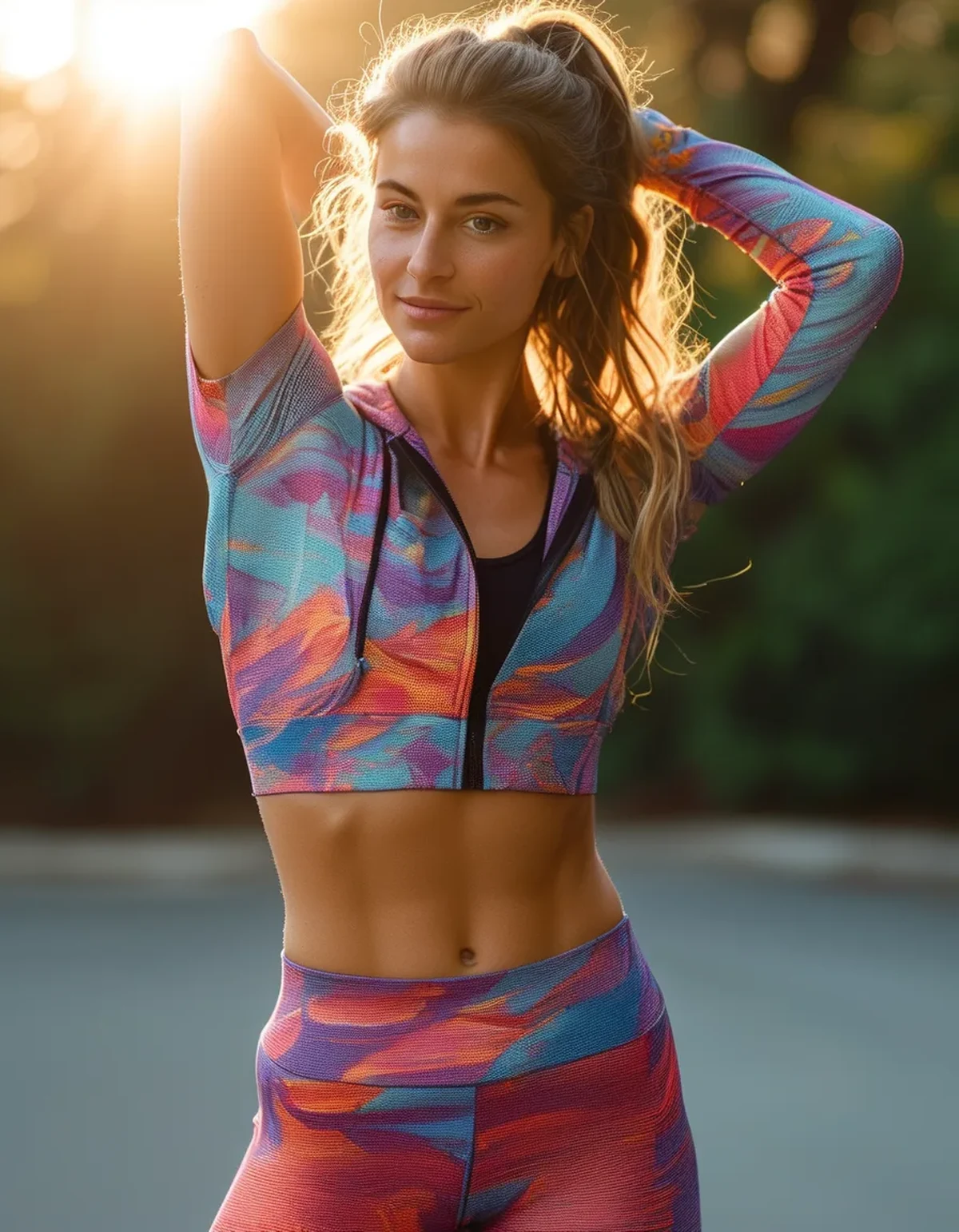
Start with your leggings as the 60% dominant color — often a neutral like black, navy, or heather grey works well here since it’s the largest area and a neutral base makes the rest of the outfit easier to build around. Pick your top as the 30% — this is where a real color choice (a sage green, a rust, a berry) does the most visible work, since it sits at chest height where the eye naturally goes first. Save your boldest, most saturated color for the 10% — shoes, a scrunchie, a bag — where a hot pink or neon only needs a small dose to register as an intentional pop rather than an overwhelming statement.
Myth vs Fact: Color Proportions in Activewear
Myth: matching sets are the only safe way to avoid a color mismatch. Fact: the 60-30-10 rule lets you mix separates confidently, because the proportion — not an exact matching set — is what’s doing the visual work, which opens up combinations a matching-set-only approach would never let you try.
Myth: neutrals are boring and don’t count as one of your ‘colors.’ Fact: a neutral is almost always your best 60% choice precisely because it lets your 30% and 10% colors stand out more than they would against another bold color — the neutral is doing real styling work, not sitting out of the color conversation.
Myth: the exact percentages have to be measured precisely. Fact: the rule is a proportion guideline, not a strict formula — getting roughly in the neighborhood of ‘mostly one color, meaningfully less of a second, a small accent’ delivers the visual balance the rule is going for, without needing to calculate exact fabric surface area.
FAQ: 60-30-10 Activewear Questions, Answered
Can I use this rule with prints instead of solid colors?
Yes — treat a printed piece (patterned leggings, for example) as your 60% ‘color’ by pulling one dominant shade out of the print for your 30% and 10% choices, the same way you would with a solid, which keeps the whole rule intact even with a busier base layer.
What if my 30% piece is actually two colors, like a color-block top?
That’s fine — just make sure the overall visual weight of the top still reads as roughly 30% of the outfit; the rule is about proportion of visual space, not a rigid single-color-per-tier requirement, so a two-tone top can absolutely fill that role.
Does this rule work for outerwear layers too, like a jacket over a set?
Yes — treat the jacket as whichever proportion tier makes sense for how much of the outfit it covers once zipped, and adjust the other two pieces accordingly, since the rule scales to however many layers are actually visible at once.
What if I genuinely can’t decide which color should be my dominant 60%?
Default to whichever color you already own the most workout pieces in — that’s usually the color you gravitate toward instinctively, and building the 30% and 10% choices around an existing dominant color is far easier than trying to introduce a completely new palette from scratch.
Does this rule apply the same way to darker skin tones and lighter skin tones?
The proportion logic itself is universal, but which specific colors read as a flattering 30% or 10% accent does shift with skin undertone — a rust or gold accent that pops against a deeper skin tone might look muddier against a very fair one, so it’s worth testing the accent color choice against your own skin specifically rather than copying someone else’s exact palette.
TL;DR:
- 60% dominant color (usually leggings), 30% secondary (usually your top), 10% bold accent (shoes or accessories)
- Most ‘clashing’ outfits are actually a proportion problem, not a color problem
- A neutral is often your best 60% choice — it makes the other two colors pop more
- Works with prints and layered pieces too, just judge by visual space, not a strict per-item rule
- The percentages are a guideline, not a precise formula to measure out
See It in Motion
Seen here: High Waist Yoga Leggings with Inner Pocket — shop it on bubblelime.com
Keep Reading
This article is for general informational and styling purposes only. Fit, sizing, and product availability may vary.