Why Your Black Leggings Turn Gray So Fast (And the Washing Fix That Actually Prevents It)
Black leggings turning a dull, uneven gray within a handful of months is such a common complaint that it’s practically expected, and it’s not actually inevitable — dark activewear fades faster than other dark clothing for specific, fixable reasons tied to fabric type and washing habits. Here is why it happens and the washing routine that actually prevents it.
Why Dark Activewear Fades Faster Than Other Dark Clothing
The specific reasons: the synthetic-fibers-hold-dye-differently-than-cotton (the synthetic performance fabrics common in activewear, per the activewear-fabric-guide-capsule logic, bonding with dye differently than natural fibers like cotton, generally making the color more vulnerable to washing-related fading over repeated cycles — the synthetic-dye-bonding-is-inherently-less-stable-than-natural-fiber-dyeing), the the-stretch-fabric-experiences-more-mechanical-stress-per-wash (the fabric’s stretch and recovery during both wear and washing creating more mechanical friction on the fiber surface than a non-stretch garment experiences, which accelerates surface-level color loss — the stretch-fabric-friction-wears-the-surface-color-faster), the the-activewear-gets-washed-more-frequently-than-average-clothing (the sweat and odor concerns driving more frequent washing of activewear specifically compared to many other clothing categories, meaning even identical per-wash fading compounds faster simply from higher wash frequency — the higher-wash-frequency-alone-accelerates-total-fading-over-time), the the-heat-from-washing-and-drying-accelerates-dye-breakdown (the same heat that degrades elastane, per the activewear-shrinkage-and-stretch-guide logic, also accelerating dye molecule breakdown, meaning hot washing and machine drying compound both a fit problem and a color problem simultaneously — the heat-damages-both-fit-and-color-at-the-same-time), the the-detergent-and-fabric-softener-buildup-affects-how-color-appears-over-time (the residue buildup on fabric fibers contributing to a duller, grayer appearance independent of actual dye loss, meaning some of the visible fading is a buildup problem rather than pure dye degradation — the some-of-the-gray-look-is-residue-not-only-dye-loss), and the reframe (the fast fading as the predictable result of fabric type, washing frequency, heat exposure and residue buildup working together, not a sign of inherently poor product quality).
The Specific Washing Mistakes That Accelerate It
What people commonly do wrong: the washing-in-hot-water (the using hot water for a load containing dark activewear specifically accelerating dye breakdown well beyond what cold water would cause — the the-single-most-common-and-most-impactful-mistake), the the-machine-drying-on-high-heat (the dryer heat compounding the same damage from the washing step, doubling the heat exposure in a single laundry cycle — the drying-heat-adds-a-second-round-of-the-same-damage), the the-using-too-much-detergent (the excess detergent contributing directly to the residue buildup that dulls color appearance, a common instinct to use more when trying to get activewear extra clean actually working against that exact goal — the more-detergent-doesnt-mean-cleaner-it-often-means-duller), the the-washing-dark-activewear-with-abrasive-items (the washing dark leggings alongside items with zippers, velcro or rough textures increasing mechanical friction damage during the wash cycle itself — the abrasive-co-washing-adds-mechanical-fading-on-top-of-chemical-fading), the the-over-washing-lightly-worn-items-out-of-habit (the washing after every single wear regardless of actual need, when a lightly worn item might not need washing yet, unnecessarily compounding total wash-cycle exposure over the garment’s life — the unnecessary-washing-frequency-adds-up-over-a-garments-lifetime), and the frame (the biggest mistakes as hot water washing, high-heat machine drying, excess detergent, co-washing with abrasive items, and washing more often than actually necessary — nearly all routine habits rather than unavoidable product limitations).
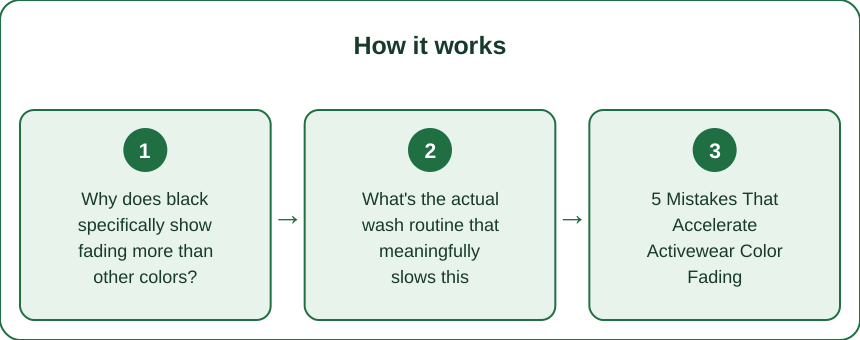
The Correct Routine That Actually Preserves Color
What actually works: the wash-in-cold-water-specifically-for-dark-activewear (the cold water washing being the single highest-leverage change for slowing dye degradation, worth applying specifically and consistently to dark-colored pieces — the cold-water-is-the-most-effective-single-fix), the the-turn-garments-inside-out-before-washing (the washing inside-out reducing direct surface friction and fading on the visible outer layer specifically — the inside-out-washing-protects-the-visible-surface-directly), the the-air-dry-instead-of-machine-drying-when-possible (the air drying eliminating the second heat-exposure round entirely, extending both color and elastic lifespan simultaneously, echoing the biker-shorts-fabric-and-opacity-guide durability logic — the air-drying-solves-two-degradation-problems-at-once), the the-use-a-color-safe-or-reduced-detergent-amount (the using less detergent than the standard recommended amount, or a detergent specifically formulated for dark or synthetic fabrics, reducing residue buildup directly — the less-or-better-matched-detergent-reduces-the-dulling-residue-problem), the the-wash-dark-activewear-in-its-own-load-or-with-similar-items-only (the separating dark activewear from abrasive or lint-heavy items specifically, reducing mechanical friction damage during the cycle — the separate-washing-reduces-mechanical-fading-specifically), and the frame (the color-preserving routine as cold water washing, inside-out orientation, air drying instead of machine drying, appropriately dosed or color-specific detergent, and separating dark activewear from abrasive items — a routine that meaningfully extends how long black actually stays black, not just fades a little more slowly).
Dark activewear fades faster than other dark clothing because synthetic performance fabrics bond with dye less stably than natural fibers, the stretch and recovery inherent to the fabric creates more mechanical surface friction per wash than a non-stretch garment, activewear typically gets washed more frequently than average clothing which compounds even identical per-wash fading over time, and the same heat that degrades elastane also accelerates dye breakdown — with some of the visible dullness actually being detergent and fabric softener residue buildup rather than pure dye loss. The routine habits that accelerate it most are washing in hot water, machine drying on high heat, using too much detergent, washing dark pieces alongside abrasive zippered or velcro items, and washing more frequently than actually necessary out of habit. The fix that actually preserves color is washing dark activewear specifically in cold water, turning garments inside out before washing to protect the visible surface, air drying instead of machine drying to eliminate a second round of heat exposure, using less detergent or one formulated for dark synthetic fabrics to reduce residue buildup, and washing dark pieces separately from abrasive items to cut down on mechanical friction damage.
See It in Motion
Seen here: Super High Waist Embossed Yoga Leggings with Inner Pocket — shop it on bubblelime.com
Keep Reading
This article is for general informational and styling purposes only. Fit, sizing, and product availability may vary.