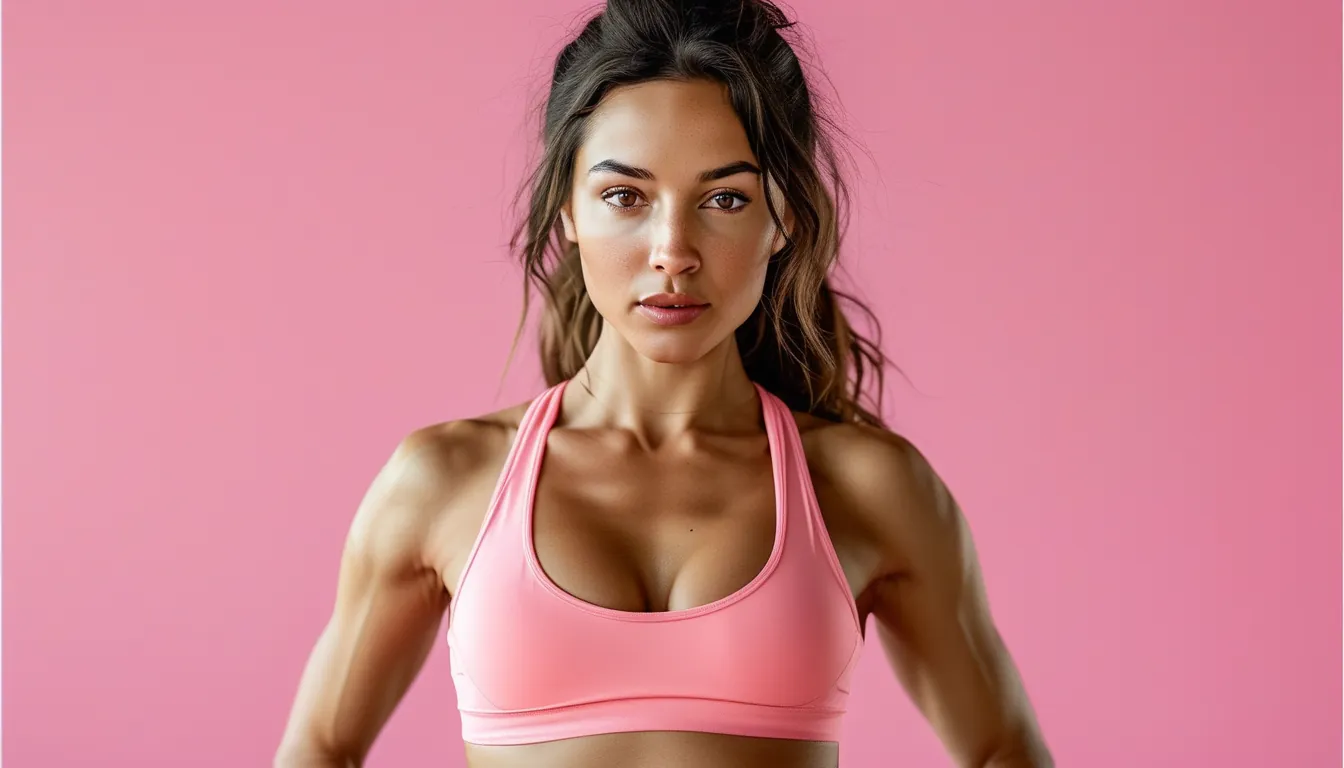
Does the Color of Your Workout Clothes Actually Affect Your Workout? Here's What the Research Says
Quick Answer: Color doesn’t directly change physical performance, but it does measurably affect motivation and perceived effort for some people — bright, energizing colors are linked to modestly higher self-reported motivation in several small studies, though the effect is more psychological than physiological.
Activewear brands love to claim their colors are ‘engineered for performance,’ but the honest answer is more nuanced than a marketing headline.
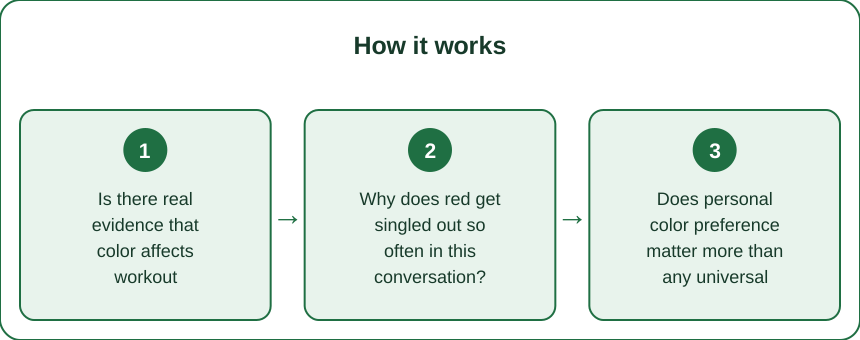
Is there real evidence that color affects workout performance?
Color hasn’t been shown to directly change measurable physical output like strength or endurance capacity — but several studies on exercise psychology have found that wearing colors people personally find energizing correlates with modestly higher self-reported motivation and enjoyment during a session, which can indirectly support consistency over time.
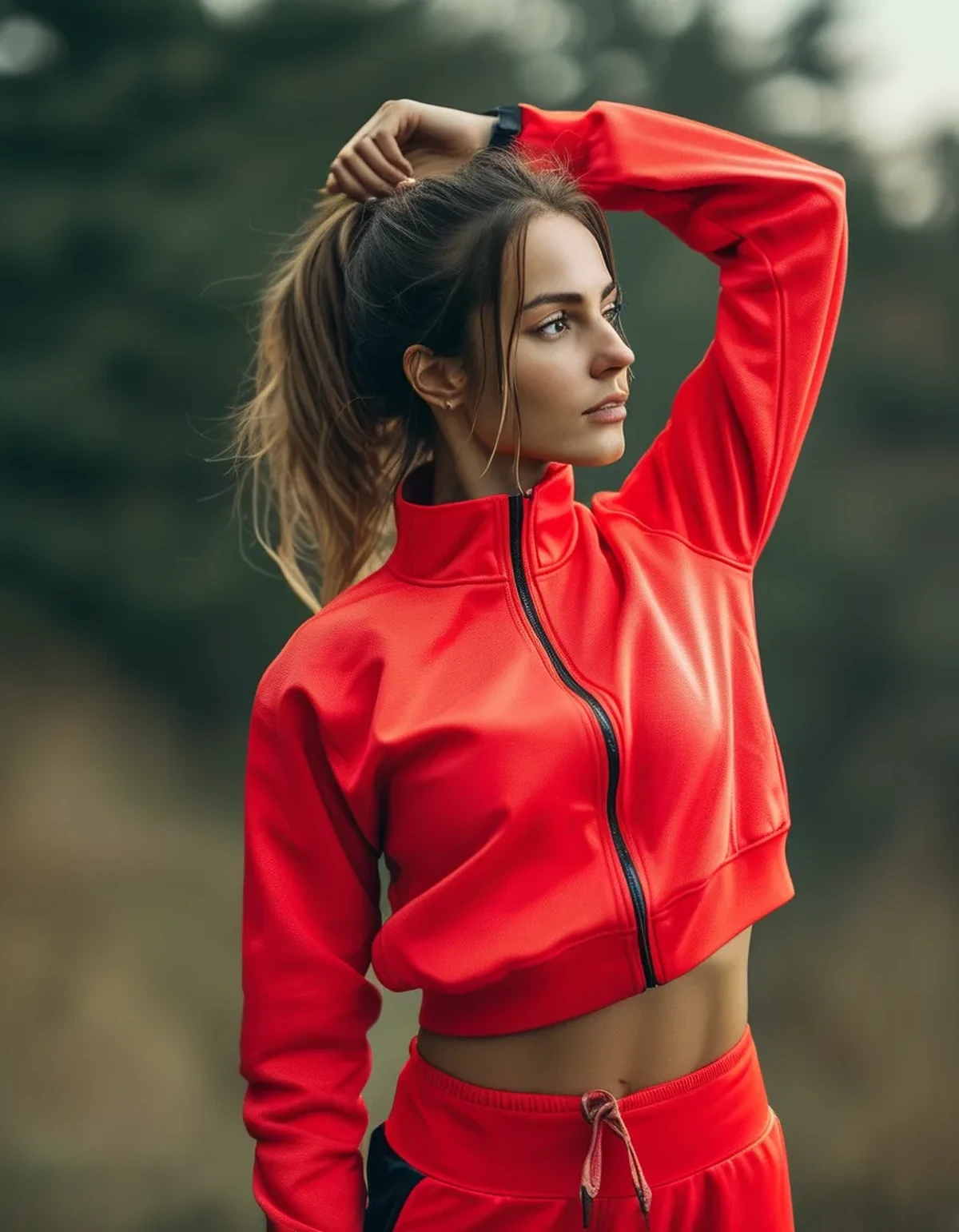
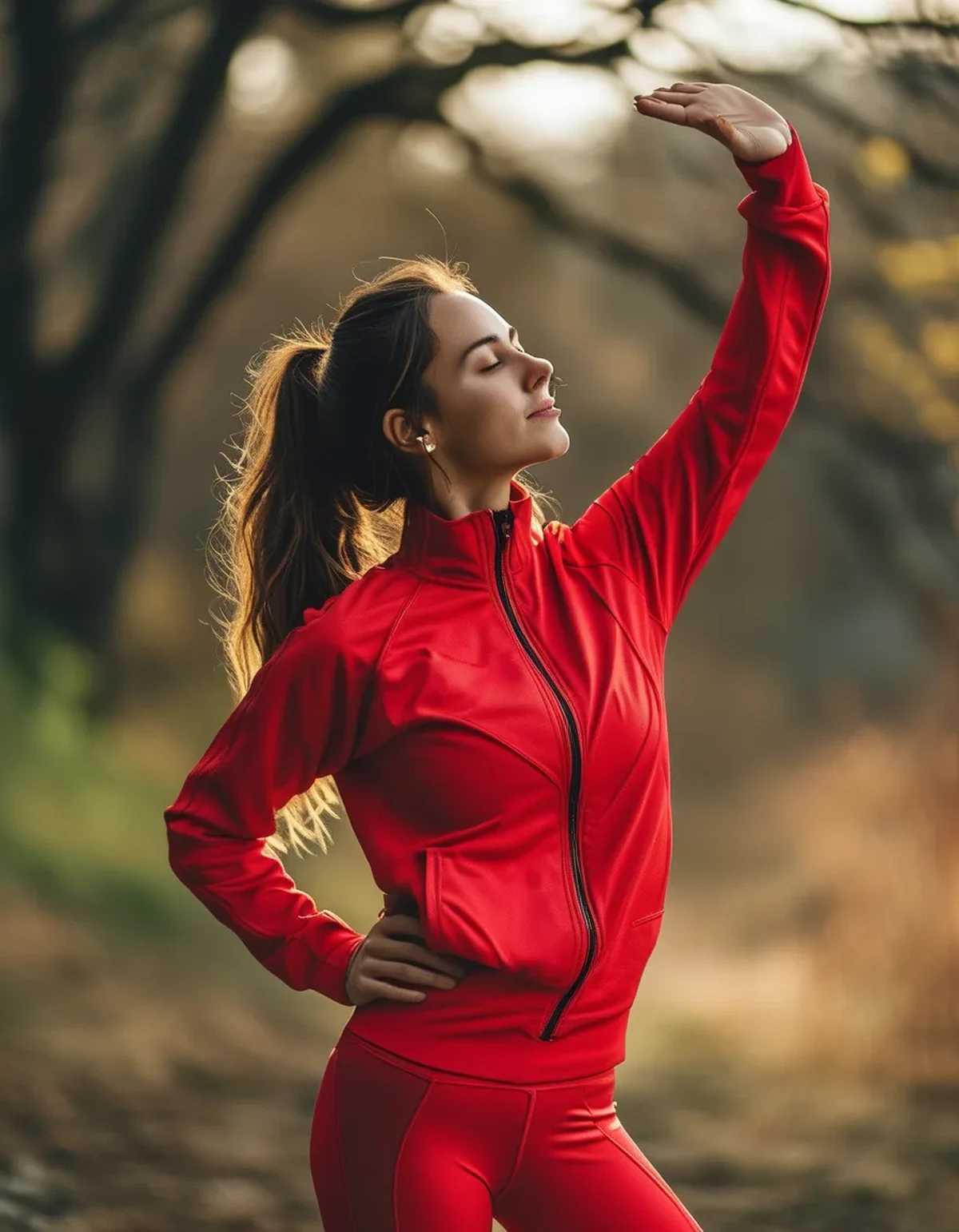
Why does red get singled out so often in this conversation?
Red is one of the more studied colors in sports psychology, partly due to research suggesting athletes wearing red in competitive contexts are perceived (by both themselves and opponents) as more dominant — but this research is largely about competitive perception, not a direct performance mechanism, and doesn’t clearly translate to solo gym workouts.
Does personal color preference matter more than any universal ‘best’ color?
Yes, based on the psychological research — the motivational effect tends to come from wearing a color you personally find energizing or confidence-boosting, not from any specific hue being universally optimal. Someone who feels strong in black will likely get more motivational benefit from black than from a ‘scientifically optimal’ color that doesn’t resonate with them.
5 Mistakes Everyone Makes With Workout Color Psychology Claims
- Assuming color changes actual physical performance rather than just perceived motivation.
- Buying a specific color because of a marketing claim rather than personal preference.
- Ignoring that most of the supporting research is on competitive or social contexts, not solo workouts.
- Underestimating how much the psychological effect depends on individual color association.
- Overlooking that consistent workout clothes you actually enjoy wearing matter more for long-term adherence than any specific color choice.
FAQ: Activewear Color and Performance Questions, Answered
Should I choose workout clothes based on color psychology research?
It’s reasonable to use as a tiebreaker between options you already like, but it shouldn’t override genuine personal preference, which the research suggests matters more than the specific color chosen.
Does wearing a color you dislike actively hurt your workout?
There’s no strong evidence of an active negative performance effect, though feeling self-conscious or unmotivated in an outfit you don’t like could plausibly reduce enjoyment and consistency indirectly.
Is there evidence for calming colors improving recovery-focused workouts like yoga?
Some preliminary research suggests cooler, muted tones are associated with a calmer subjective state, which could complement lower-intensity or recovery-focused sessions, though this research is less developed than the motivation-focused findings.
TL;DR:
- Color doesn’t directly change physical performance, but it can measurably affect motivation and enjoyment
- Red’s research is mostly about competitive perception, not solo workout performance
- Personal color preference matters more than any universally ‘best’ color
- Wearing what you genuinely like supports better long-term consistency than chasing a psychology trend
Pick your next workout outfit based on what actually makes you want to put it on — that’s the real performance edge.
Keep Reading
This article is for general informational and styling purposes only. Fit, sizing, and product availability may vary.