How Activewear Color Trends Actually Shift by Season (and Why It's Not Random)
Quick Answer: Activewear color trends generally follow a recognizable seasonal pattern — bright, saturated colors dominate spring and summer collections, richer jewel tones and earth tones take over fall, and deep, moodier palettes plus metallics show up in winter — largely driven by both fashion-cycle color forecasting and how colors photograph against each season’s typical lighting and backdrops.
Activewear color drops can feel arbitrary from the outside, but there’s a fairly consistent seasonal logic behind which colors brands lean into each quarter.
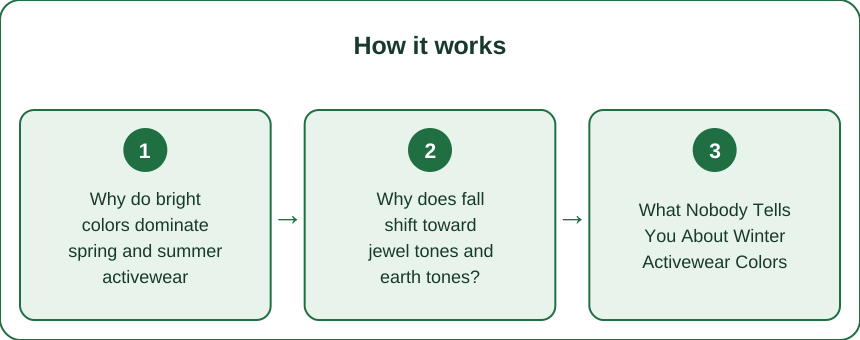
Why do bright colors dominate spring and summer activewear specifically?
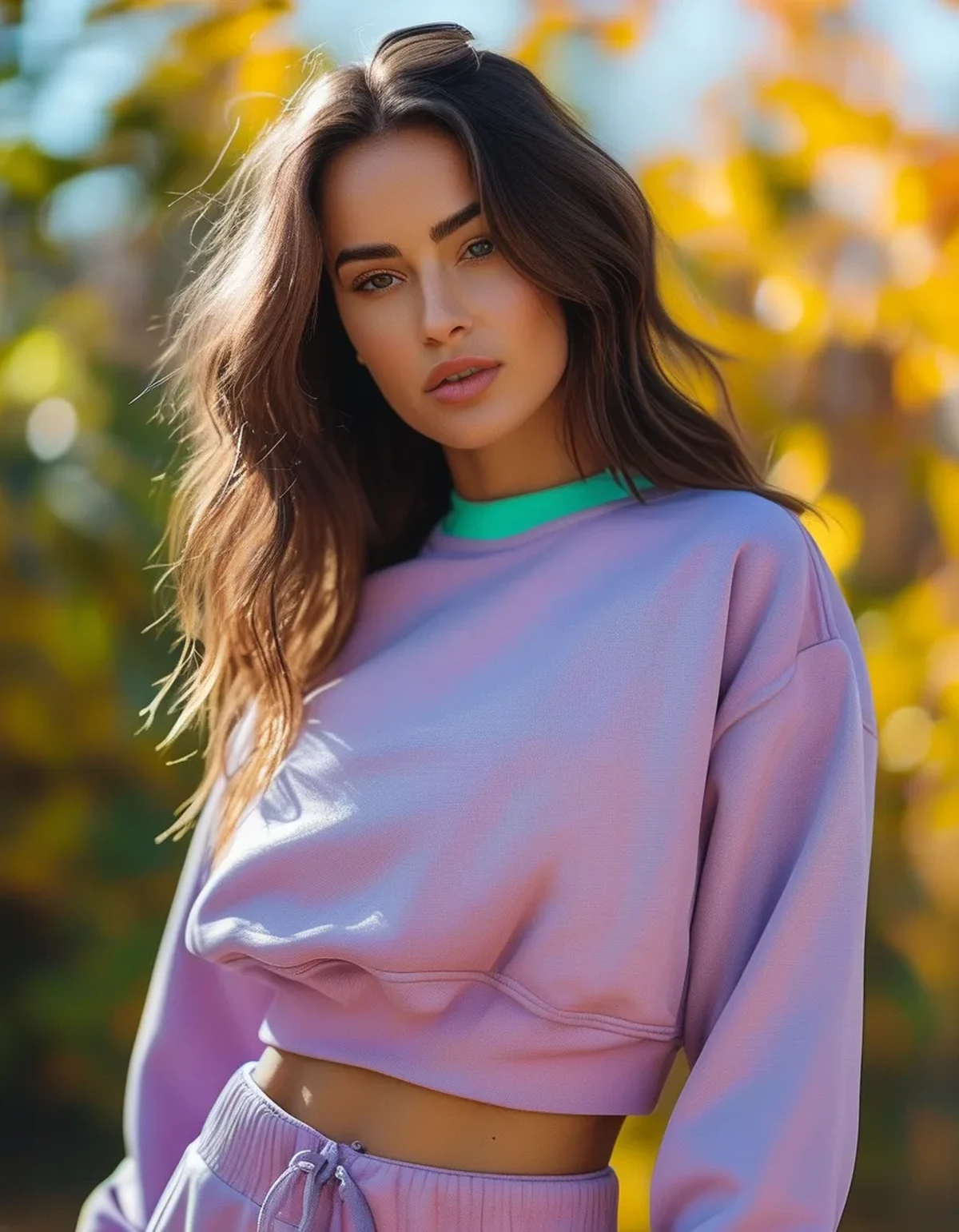
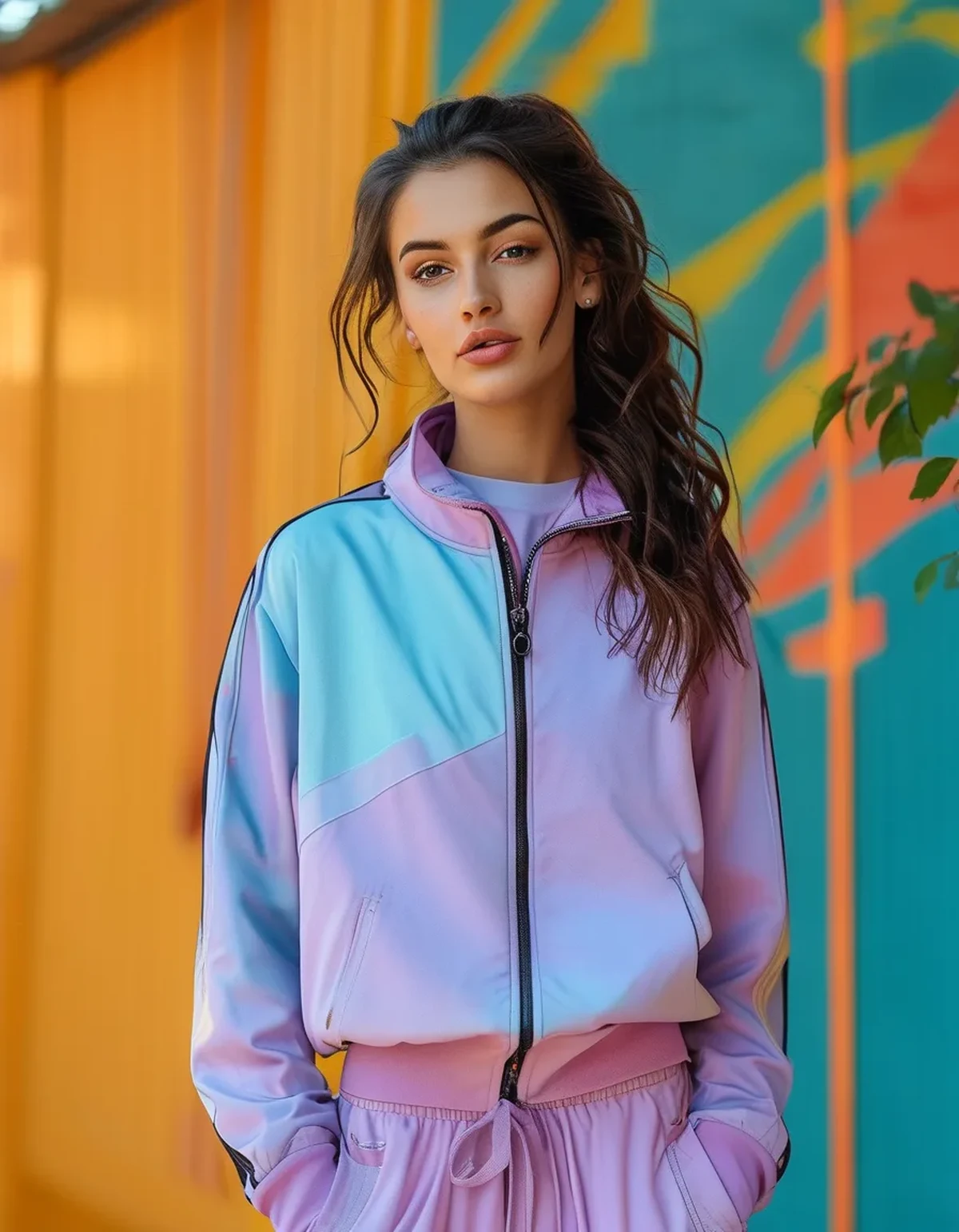
Bright, saturated colors photograph particularly well against the strong natural light and outdoor greenery typical of spring and summer, which matters enormously for how activewear performs in social media and marketing imagery during those seasons — brands lean into this because it directly affects perceived appeal and sales.
Bright colors also align with the higher-energy, more social nature of spring and summer outdoor activity, which tends to reinforce demand for bold, statement-making pieces during these months specifically.
Why does fall shift toward jewel tones and earth tones?
As natural light shifts to a warmer, lower-angle quality in fall and outdoor backdrops shift from green to amber and brown, richer jewel tones (deep emerald, burgundy, mustard) and earth tones photograph and coordinate better against that changed backdrop than the bright primary colors that worked in summer.
This shift also loosely follows broader fashion-industry color forecasting cycles, which activewear brands increasingly track alongside general apparel rather than operating on a fully separate color calendar.
What Nobody Tells You About Winter Activewear Colors
Winter activewear color trends lean toward deep, moody tones (black, charcoal, deep navy) plus metallic accents partly for practical reasons beyond aesthetics — darker colors show less visible dirt and salt residue from winter outdoor conditions, and metallic accents add visual interest to what’s otherwise a more monochrome seasonal palette overall.
This is one of the more functional seasonal color shifts, rather than purely trend-driven, which is worth knowing if you’re deciding whether a winter color choice will still feel relevant once spring’s bright palette cycle returns.
Does buying “trend” colors actually mean the pieces go out of style faster?
Somewhat, yes — activewear in a strongly season-specific trend color (a very specific ‘color of the season’ shade) tends to feel more dated within a year or two than pieces in more universally wearable seasonal tones (a classic emerald vs. a very specific micro-trend green, for example).
For pieces meant to last multiple years, choosing a color that fits the general seasonal category (jewel tone, earth tone, bright) without chasing the most hyper-specific trend shade tends to age better in a wardrobe.
FAQ: Seasonal Activewear Color Questions, Answered
Do these seasonal color patterns apply to all activewear brands equally?
Generally yes, in broad strokes, though smaller or niche brands sometimes buck the pattern deliberately as a differentiation strategy — the pattern is a strong tendency across the industry, not a universal rule.
Is it worth buying activewear specifically for its seasonal color, or focusing on versatility?
For a core wardrobe, versatility matters more; a seasonal color trend piece is reasonable as an occasional statement addition rather than the majority of your activewear rotation.
Why do some colors (like black) stay popular across every season?
Neutral colors like black, gray, and navy work across every season’s backdrop and lighting conditions, and they don’t carry the same “dated” risk that trend-specific seasonal colors do, which is why they remain a wardrobe constant regardless of seasonal color cycles.
TL;DR:
- Bright colors dominate spring/summer; jewel and earth tones take over fall activewear
- Winter’s darker palette is partly practical — it hides dirt and salt residue better
- Highly specific trend-season colors age faster in a wardrobe than general seasonal tones
- Neutrals stay popular year-round because they work across every season’s lighting and backdrop
Activewear color trends aren’t random — understanding the seasonal logic helps you buy pieces that feel current for longer, not just for one quarter.
Keep Reading
This article is for general informational and styling purposes only. Fit, sizing, and product availability may vary.