The One Color Wheel Trick That Makes Any Two Activewear Pieces Match
Standing in a closet holding two activewear pieces and trying to intuit whether the colors actually work together wastes time and still ends in uncertainty for most people — but there’s a single color wheel shortcut that removes almost all the guesswork, used by stylists specifically because it’s fast and reliable. Here is why most people overcomplicate color matching, the specific shortcut, and how to apply it fast while actually shopping or getting dressed.
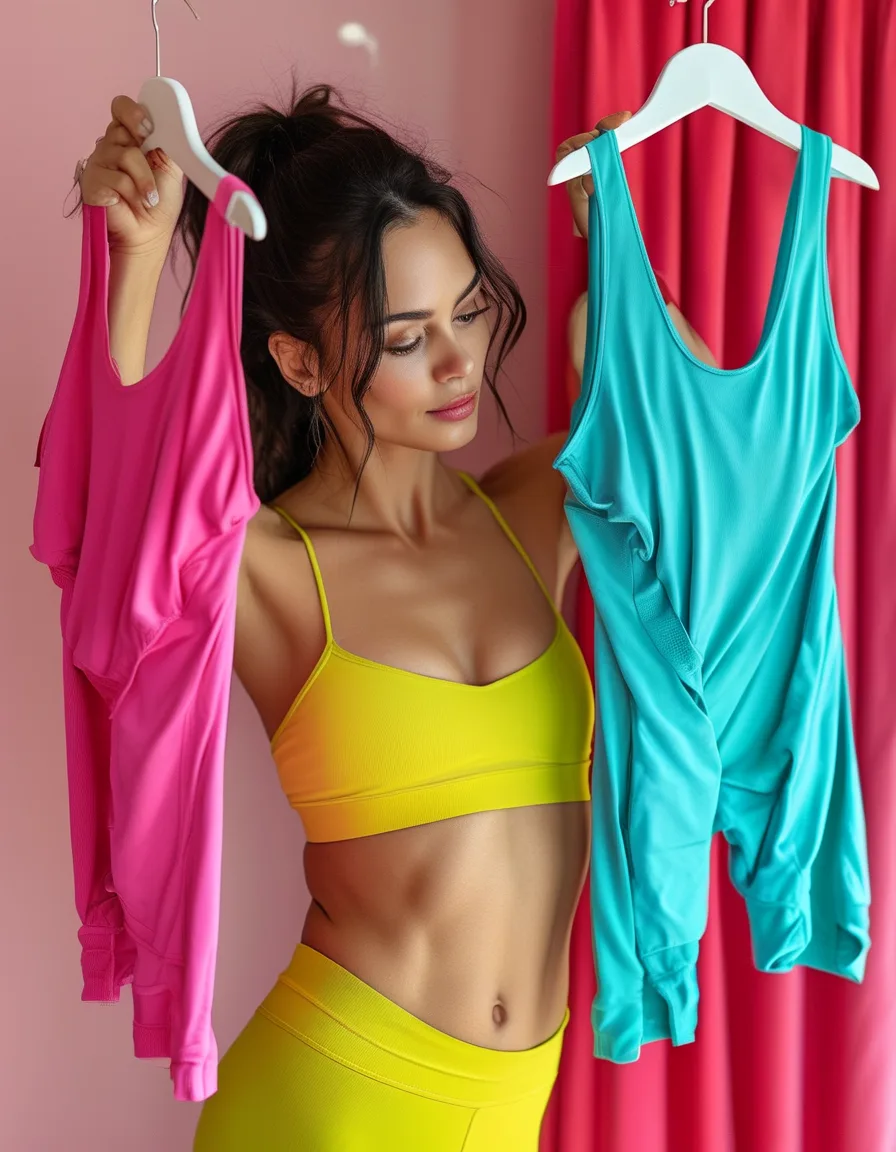
Why Most People Overcomplicate Color Matching
The unnecessary complexity: the the-treating-every-color-pairing-as-a-unique-judgment-call (the approaching each new color combination as its own fresh decision rather than applying one consistent underlying rule — the reinventing-the-judgment-every-time-is-slow-and-inconsistent), the the-relying-on-vague-instinct-instead-of-a-repeatable-method (the ‘does this feel right’ intuition being slower and less reliable than a specific, repeatable visual rule — the instinct-without-a-method-is-inconsistent-across-different-color-pairs), the the-overthinking-undertones-before-basic-relationships (the getting stuck on warm-versus-cool undertone analysis before even checking the more basic color wheel relationship first — the undertone-analysis-is-a-second-level-refinement-not-the-first-step), the the-not-knowing-there-is-a-simple-underlying-system-at-all (the many people never having been shown that a color wheel-based shortcut exists specifically for this exact everyday problem — the the-tool-exists-its-just-underused-for-casual-dressing), the the-fashion-advice-often-skips-straight-to-advanced-color-theory (the styling content often jumping to seasonal color analysis or advanced theory without covering the much simpler starting shortcut first from the seasonal-color-analysis-activewear-guide logic — the advanced-content-skips-past-the-easy-fast-win), and the reframe (the color-matching struggle as usually a missing-tool problem, not a taste problem — one simple color wheel relationship solves the vast majority of everyday matching questions)).
The Specific Color Wheel Shortcut
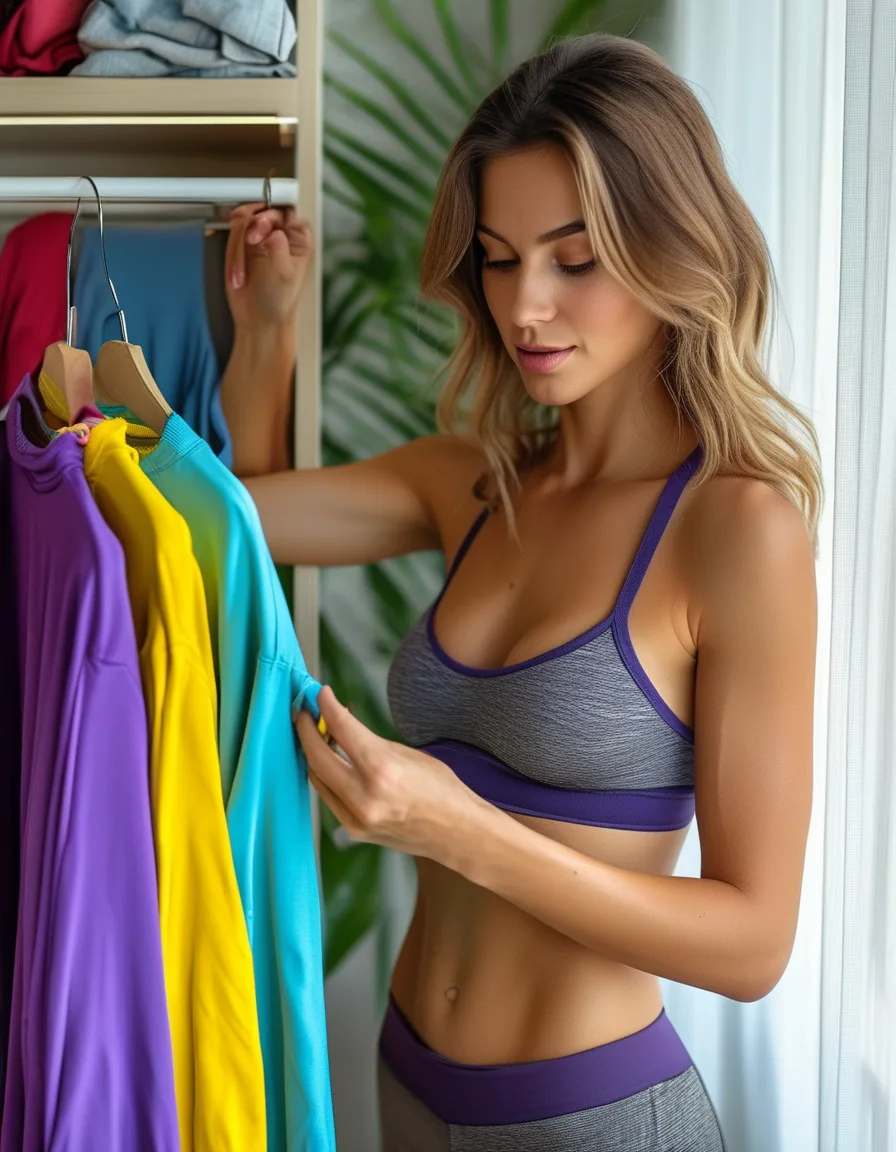
The actual trick: the the-analogous-color-rule (the picking two colors that sit next to each other on the color wheel — like blue and teal, or coral and orange — nearly always looking cohesive together — the adjacent-colors-almost-always-work), the the-complementary-color-rule-as-the-second-option (the picking two colors directly opposite each other on the wheel — like blue and orange — creating a deliberate, energetic contrast that also reliably works — the opposite-colors-create-intentional-contrast-not-a-clash), the the-the-danger-zone-is-near-but-not-adjacent-or-opposite (the colors that are close but not quite adjacent or truly opposite on the wheel being the pairings most likely to look accidentally off — the the-awkward-middle-distance-is-the-actual-risk-zone), the the-neutrals-pair-with-anything-on-the-wheel (the black, white, gray, navy and beige functioning as wildcards that pair safely with any wheel position, providing an easy fallback — the neutrals-are-the-permanent-safe-fallback-option), the the-one-wheel-check-replaces-extensive-second-guessing (the a quick mental check of where two colors sit relative to each other replacing minutes of uncertain deliberation — the the-check-takes-seconds-once-you-know-the-rule), and the frame (the shortcut as choosing analogous or complementary pairings, avoiding the awkward near-but-not-quite middle distance, and falling back on neutrals when uncertain — a specific, fast, repeatable rule instead of vague instinct).
How to Apply It Fast While Actually Shopping or Dressing
The real-world use: the picture-a-simplified-twelve-point-wheel-mentally (the visualizing a basic color wheel with about twelve main points, which is enough precision for everyday clothing decisions without needing a physical tool — the a-rough-mental-wheel-is-precise-enough-for-clothes), the the-count-roughly-how-many-steps-apart-two-colors-are (the a quick mental estimate of whether two colors are close together, roughly opposite, or in the awkward middle distance — the a-rough-estimate-is-fast-enough-to-be-useful-in-the-moment), the the-use-your-phone-camera-in-black-and-white-as-a-backup-check (the switching a phone camera to black-and-white mode to check whether two colors have a similar enough value to read as cohesive regardless of hue relationship — the a-simple-phone-trick-as-a-backup-verification), the the-default-to-neutral-plus-one-bold-color-when-rushed (the pairing any single bold color with a neutral as the fastest possible reliable combination when there’s no time for wheel analysis — the the-fastest-possible-fallback-for-a-rushed-morning), the the-practice-on-a-few-known-pairs-to-build-quick-recognition (the deliberately testing the rule on a few existing wardrobe pairs to build faster intuitive recognition over time — the a-little-practice-makes-the-mental-check-nearly-instant), and the frame (the fast application as mentally picturing a simple wheel, roughly estimating distance between two colors, using a phone camera check as backup, defaulting to neutral-plus-bold when rushed, and practicing on known pairs — a shortcut that gets faster with light repeated use).
Most everyday color-matching struggles come from treating every pairing as a fresh judgment call rather than applying one consistent rule — the actual shortcut is picking colors that sit either next to each other on the color wheel (analogous, like blue and teal) or directly opposite each other (complementary, like blue and orange), both of which reliably work, while the awkward near-but-not-quite middle distance between those two relationships is the actual risk zone for a mismatched look. Neutrals like black, white, navy, gray and beige function as safe wildcards that pair with anything regardless of wheel position. Apply it fast by mentally picturing a simple twelve-point wheel, roughly estimating how far apart two colors sit, using a phone camera’s black-and-white mode as a quick backup check, defaulting to neutral-plus-one-bold-color when rushed, and practicing the check on a few known wardrobe pairs until it becomes close to instant.
Keep Reading
This article is for general informational and styling purposes only. Fit, sizing, and product availability may vary.