Why Your Activewear Colours Look Different Now That the Light Has Changed
Quick Answer: As the sun sits lower in the sky, daylight travels through more atmosphere and becomes warmer and less intense. That shifts how every colour reads: cool pastels look washed out and slightly grey, warm tones look richer, and true blacks look browner or dustier. Nothing has changed about the garment. If you want your colours to look right through autumn, shift toward deeper saturated tones and warmer neutrals, and judge new purchases in the light you’ll actually wear them in.
You pull out the lilac set that looked perfect in July and it now looks slightly grey and cheap. It’s the same set. The light doing the looking is different.
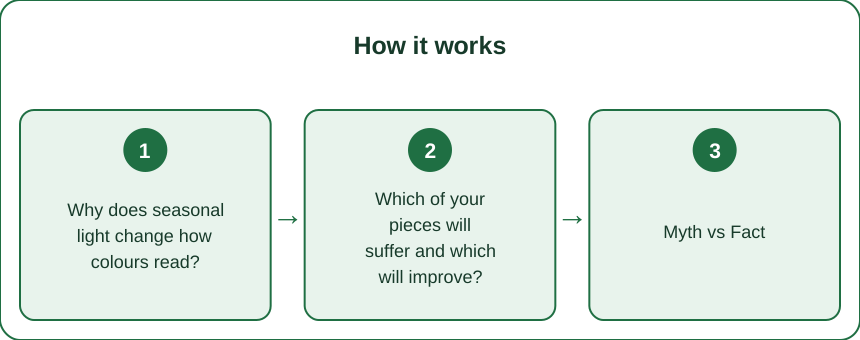
Why does seasonal light change how colours read?
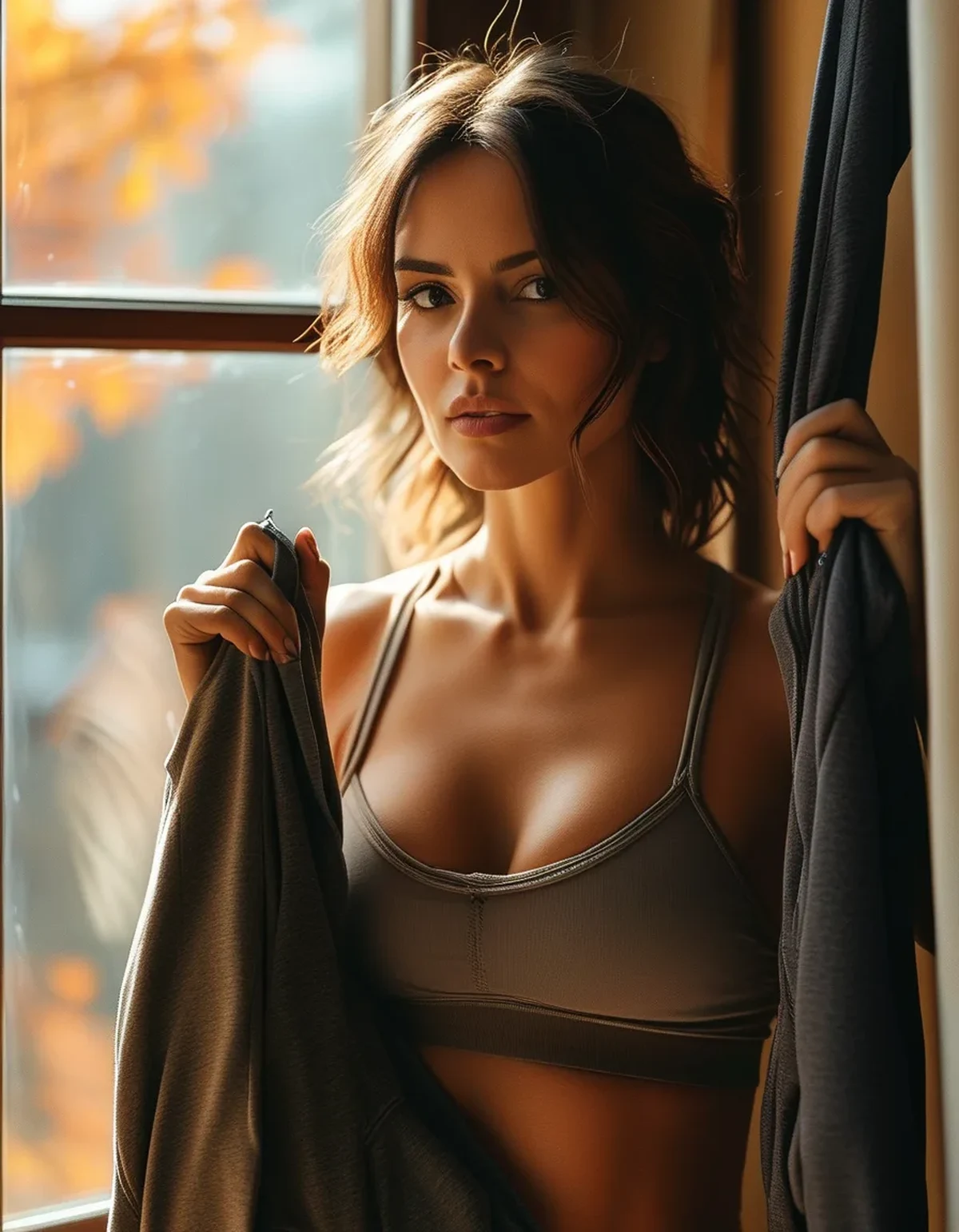
The sun’s angle changes the colour of daylight. With the sun lower in the sky, light passes through more atmosphere, which scatters more of the shorter blue wavelengths and leaves light that’s warmer and more golden. This is the same effect that makes sunrise and sunset warm, extended across the whole day.
Colour appearance depends entirely on the light source. An object doesn’t have a colour independently of what’s illuminating it - it reflects certain wavelengths from whatever light hits it. Change the light, change the reflected result.
Cool colours lose the most. Pastels, cool blues, lilacs, and mint rely on blue-spectrum light to look crisp. In warmer, weaker autumn light there’s less of that to reflect, so they read muted and slightly muddy.
Warm colours gain. Rust, terracotta, mustard, olive, burgundy, and warm browns all reflect more of what autumn light is providing, which is exactly why these colours dominate autumn palettes across the industry.
Overall intensity drops too. Lower light levels reduce contrast, so highly saturated colours hold up better than pale ones - a pastel that read as delicate in bright summer light reads as washed out under less of it.
And indoor lighting takes over more of the day. As you spend more waking hours under artificial light, the mismatch between how something looks in a shop, at home, and in a gym becomes far more noticeable than it was in July.
Which of your pieces will suffer and which will improve?
Pale pastels are the biggest losers. Baby blue, lilac, mint, and blush all depend on abundant cool light to look fresh. They tend to read grey and slightly tired for the next several months.
Neon takes a specific hit. Fluorescent colours work by re-emitting UV as visible light, so they’re at their most striking under strong sunlight. Lower UV in autumn means neons look flatter than they did - which is separate from any actual fading.
True cool blacks can look brown or dusty. Under warm light, a black with a cool undertone reads differently than it does under bright neutral daylight, which is one reason people conclude their black has faded when it hasn’t.
Deep jewel tones improve markedly. Emerald, burgundy, navy, and forest all have enough saturation to hold up under reduced light and enough depth to look rich rather than dull.
Warm earth tones come into their own. Olive, rust, camel, terracotta, and chocolate are the colours the season is effectively lighting for.
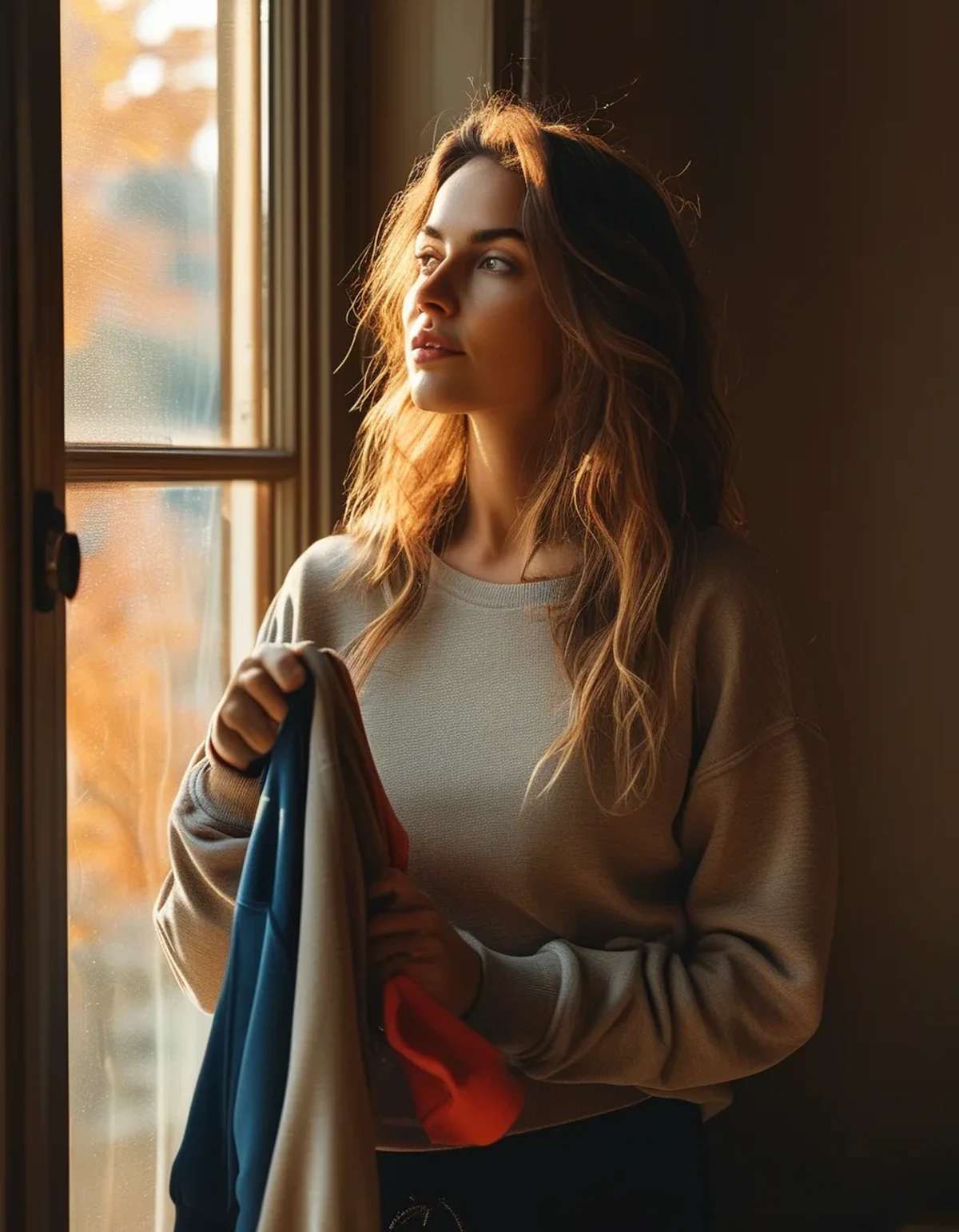
And genuine fading is a separate issue. If a piece looks different from another piece of the same colour bought at the same time, that’s fading. If your whole wardrobe reads slightly different, that’s the light.
Myth vs Fact: Colour and Seasonal Light
Myth: My activewear faded over the summer. Fact: some of it probably did - UV, chlorine, and hot washing all fade fabric. But a whole wardrobe reading different at once is the light, not the dye. Compare two pieces of the same colour with different wear histories to tell which it is.
Myth: Autumn colour palettes are just a marketing convention. Fact: they’re partly a genuine response to how warm, lower-intensity light renders colour. Rust and olive really do look better in October light than mint does.
Myth: A colour that suits you always suits you. Fact: how flattering a colour looks depends on the light illuminating both it and your skin. The same top can be excellent in summer daylight and unremarkable under low autumn light or gym fluorescents.
Myth: Buying online is the same year-round. Fact: product photos are shot under controlled bright lighting that resembles summer daylight far more than an October afternoon. The gap between photo and reality widens in autumn.
Myth: Black is black. Fact: blacks vary enormously in undertone, and warm light makes cool-undertone blacks read brown while neutral blacks hold. This is why two black pieces that matched in July suddenly don’t.
Myth: You need a new wardrobe each season. Fact: you need to know which of your existing pieces are seasonal and which are year-round. Deep saturated colours and warm neutrals are the year-round survivors.
How should you adjust what you wear and buy?
Shift toward saturation rather than new colours. A deeper version of a colour you already like holds up under reduced light far better than a pale one. This is usually a smaller change than buying into a whole new palette.
Move pastels to layering positions. A pale piece under a deeper outer layer, or as a small area rather than the whole outfit, works fine. It’s a pastel as the dominant colour that struggles.
Judge new purchases in the light you’ll wear them in. Take the item to a window, or better, outside. Shop lighting is designed to flatter and is far removed from an October morning.
Match blacks by undertone, not by label. If two black pieces don’t quite match, that’s undertone rather than fade, and the fix is buying replacements from the same line or checking them side by side in daylight.
Use warm metallics and textures as the seasonal signal. Gold-toned hardware, brushed fabrics, and ribbed textures read autumnal against colours you already own, without requiring new colours at all.
And check colours under gym lighting if that’s where you wear them. Fluorescent and LED gym lighting renders colour differently again, and it’s the environment a lot of activewear actually lives in.
FAQ: Seasonal Light and Colour, Answered
Why does my activewear look different in autumn?
Daylight becomes warmer and less intense as the sun sits lower, so cool and pale colours lose the blue-spectrum light they depend on while warm colours reflect more of what’s available. The garment hasn’t changed.
Did my leggings fade or is it the light?
Compare a heavily worn piece to a barely worn piece of the same colour. If they differ, that’s fading. If your whole wardrobe reads slightly off at once, it’s the light.
Why do my neon pieces look duller now?
Fluorescent colours rely partly on UV being re-emitted as visible light, and UV levels drop as the sun sits lower. They look flatter without necessarily having faded at all.
What colours work best in autumn light?
Deep saturated tones - emerald, burgundy, navy, forest - and warm earth tones like olive, rust, terracotta, and camel. These reflect what autumn light is providing rather than what it’s lost.
TL;DR:
- Lower sun angle means warmer, less intense daylight, which changes how every colour you own reads.
- Pastels, cool tones, and neons lose the most; deep jewel tones and warm earth tones gain.
- Cool-undertone blacks can read brown or dusty in warm light, which is why two blacks stop matching.
- Distinguish light from fading by comparing a worn piece to a barely worn one of the same colour.
- Shift toward saturation rather than a new palette, layer pastels rather than leading with them, and judge purchases in real daylight.
The autumn colour palette isn’t only a trend. It’s the set of colours that still work when the light stops helping.
Keep Reading
This article is for general informational and styling purposes only. Fit, sizing, and product availability may vary.