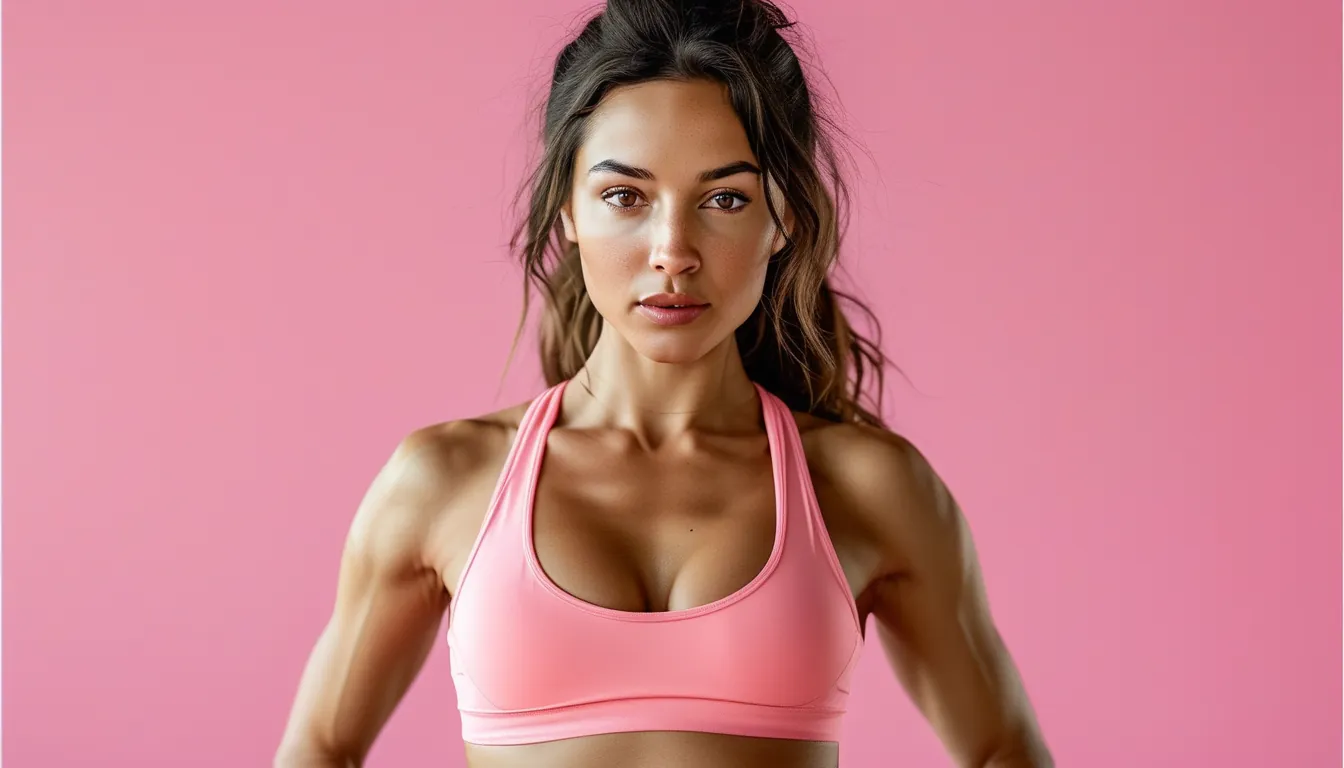
How to Add Color to All-Black Activewear (When Black Is Your Comfort Zone)
Quick Answer: Add one colorful piece at a time against your existing black base. Start with muted shades — navy, olive, burgundy, dusty rose — before anything bright, and keep black on the other half of the outfit. That single swap gets you 80% of the visual payoff with about 5% of the discomfort.
If your activewear drawer looks like a lineup of very serious ninjas, welcome. Black is safe, it matches everything, it survives being worn twice, and nobody has ever felt overdressed in it.
But at some point you catch yourself admiring someone’s olive leggings in class and thinking I could never. You could. It just isn’t a personality transplant — it’s one piece.
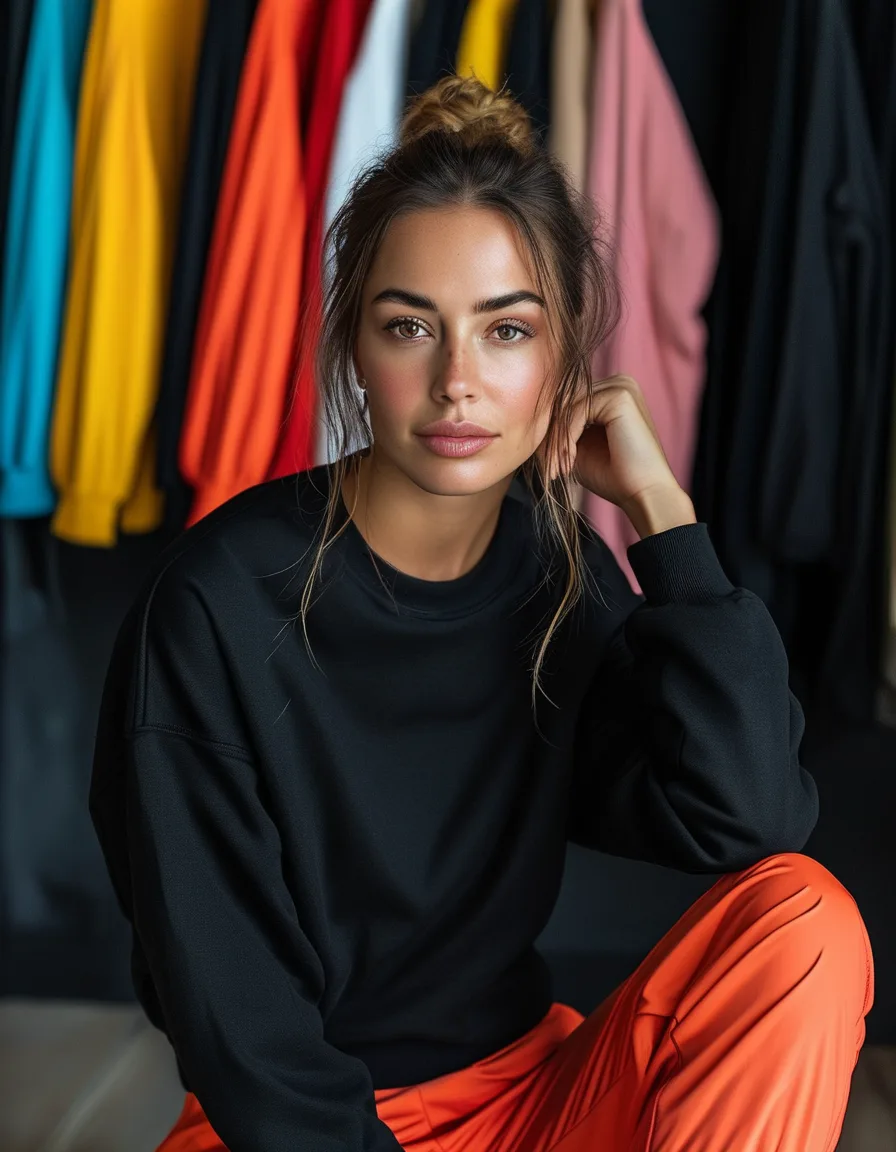
Why does color feel so risky when you wear black?
Because black does something specific: it removes decisions. Everything matches everything, nothing clashes, and no outfit ever announces itself. That’s genuinely useful, and it’s why black is the default in about half of every activewear drawer.
Color removes that safety net. A colored piece has to coordinate with something, it gets noticed, and if it goes wrong it goes wrong visibly. The fear isn’t irrational — it’s just wildly out of proportion to the actual stakes of wearing a burgundy tank to a gym where nobody is looking at you.
The reframe that helps: you’re not replacing black, you’re adding to it. Black stays. It’s the base. Color is the thing you put on top of the base, which means the base is still there if the color doesn’t work out.
How do I start adding color without it feeling like a costume?
Seven moves, roughly in order of difficulty. Pick the one that makes you least nervous and start there.
- One colored piece, black everything else. A colored sports bra with black leggings, or colored leggings with a black top. Half the outfit is still your comfort zone. This is the whole method, honestly — the rest is variations.
- Start muted, not bright. Navy, olive, burgundy, charcoal-plum, dusty rose, rust. These read as “considered” rather than “look at me,” and they sit next to black without arguing. Neon can wait.
- Accessories first if the clothes feel like too much. A colored water bottle, hair band, gym bag, or shoe. Zero commitment, and you get used to seeing color in the mix.
- Let it peek. A colored bra under a black tank, or a colored waistband folded over. It’s about 2 square inches of color and it still changes the outfit.
- One color at a time. Not a rainbow. One color plus black looks deliberate; three colors plus black looks like laundry day forced your hand.
- Choose colors that flatter you, not the ones on the model. If warm shades make you look healthy and cool shades make you look tired, that’s real information. Olive and rust versus icy blue and true red — pick the family that works on you.
- Repeat it. Wear the same colored piece four or five times. Familiarity does more for confidence than any styling rule.
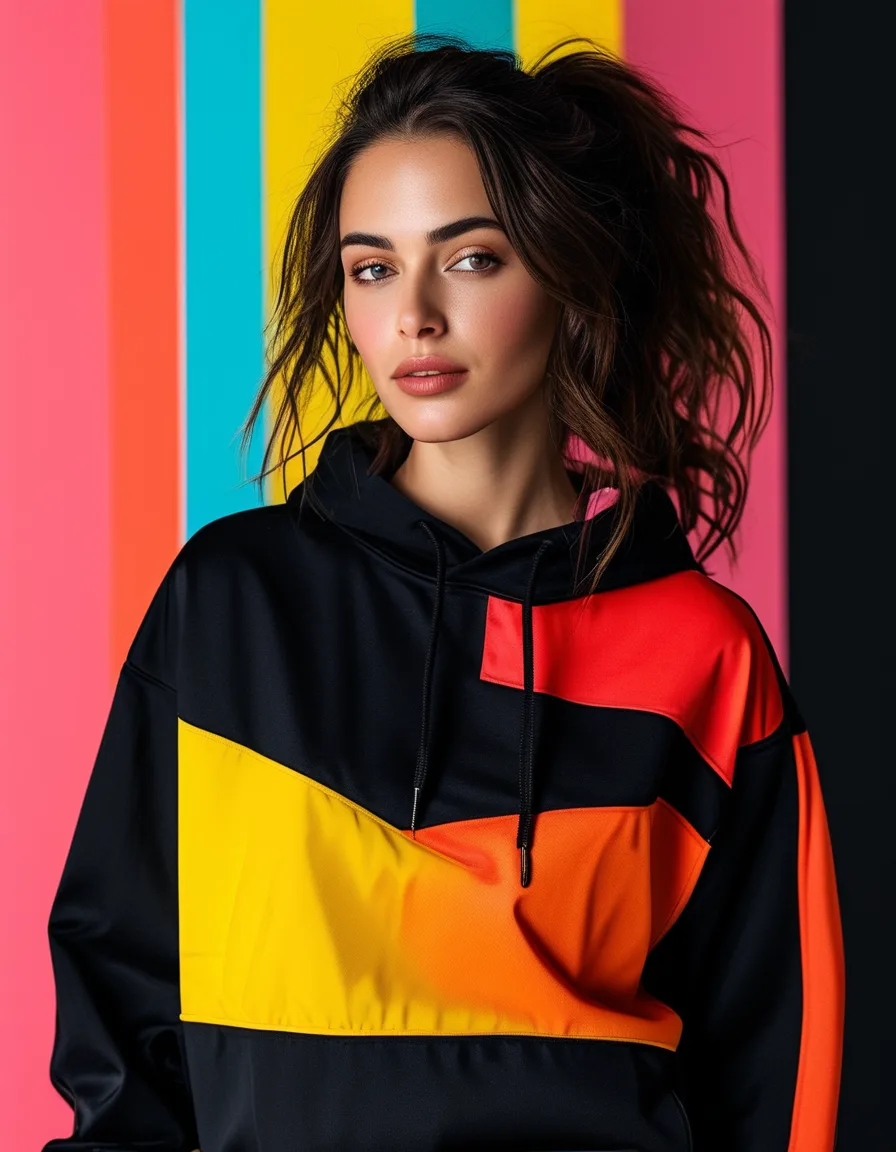
What’s the easiest first purchase?
A colored sports bra or a colored top, not colored leggings.
Two reasons. Tops are cheaper, so a mistake costs less. And color near the face is where it actually does something — it lifts your complexion in a way color on your legs can’t.
If you do want to start from the bottom, a deep color in a familiar cut is the low-risk version. Olive or burgundy high waist yoga pants behave exactly like your black ones — same rise, same coverage, same squat-proof fabric — and pair with every black top you already own. You’re changing one variable, not learning a new wardrobe.
Myth vs Fact
Myth: Color draws attention to whatever it covers. Fact: Contrast and fit draw attention; color mostly draws the eye upward or downward depending on where you put it. A colored top actually pulls focus toward your face and away from everything else — which is usually the opposite of what people fear.
Myth: You have to commit to a whole colorful wardrobe. Fact: Most people who “wear color” own three or four colored pieces and a lot of neutrals. The colorful-looking drawer is an illusion produced by rotation.
Myth: Bright colors are the point. Fact: Muted colors do more work for less risk, and they photograph better in gym lighting, which is uniformly unflattering fluorescent misery. Start there and stay there if you like it.
Myth: If you love black, wanting color means you’re doing black wrong. Fact: All-black is a legitimate, genuinely chic choice. Adding color is an option, not a correction.
The mood part, which is real
There’s a reason “dopamine dressing” caught on. Putting on something you find pleasant to look at reliably nudges how you feel about the next hour, and for a workout that hour is the one you were considering skipping.
It’s not magic and it won’t fix a bad week. But if a burgundy tank makes you 10% more likely to actually go, it’s earned its shelf space.
FAQ
What colors go best with black activewear?
Almost everything, which is black’s whole appeal — but the easiest starters are navy, olive, burgundy, rust, and dusty rose. They’re muted enough to feel low-risk and deep enough to hold their own next to black. Bright white and neon create the sharpest contrast, so save those for when you’re comfortable being seen.
Should I buy colored leggings or a colored top first?
A top. It’s cheaper, so a mistake stings less, and color near the face has a bigger visual effect than color on your legs. Once one colored top feels normal, colored leggings stop feeling like a leap.
How do I know which colors actually suit me?
Hold a piece up to your face in daylight and look at your skin, not the fabric. Colors that suit you make your complexion look even and awake; colors that don’t make you look washed out or slightly gray. Most people find they lean warm (olive, rust, cream) or cool (navy, plum, true blue) fairly clearly.
TL;DR:
- Black isn’t a problem to fix — color is an addition, not a replacement.
- One colored piece, black for the rest of the outfit. That’s the entire method.
- Start with muted shades: navy, olive, burgundy, rust, dusty rose.
- Buy a colored top before colored leggings — cheaper, and color near the face does more.
- Wear the same piece several times; familiarity builds confidence faster than rules do.
Keep Reading
This article is for general informational and styling purposes only. Fit, sizing, and product availability may vary.